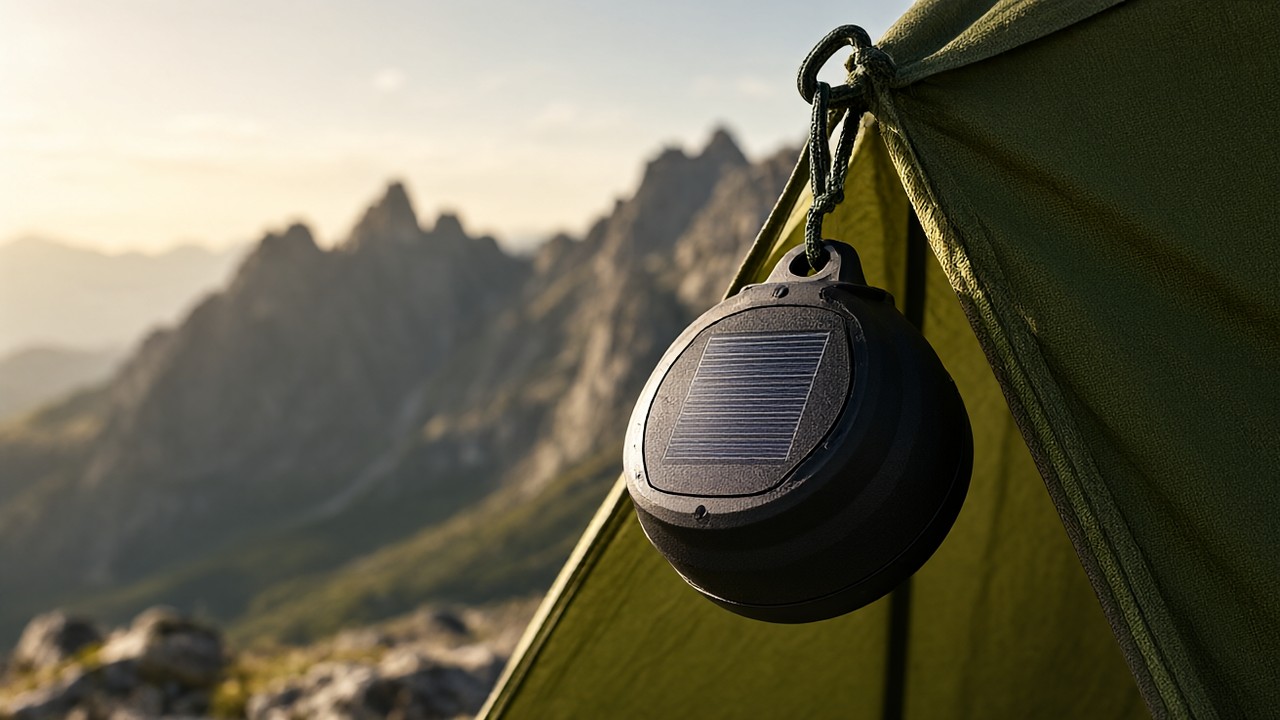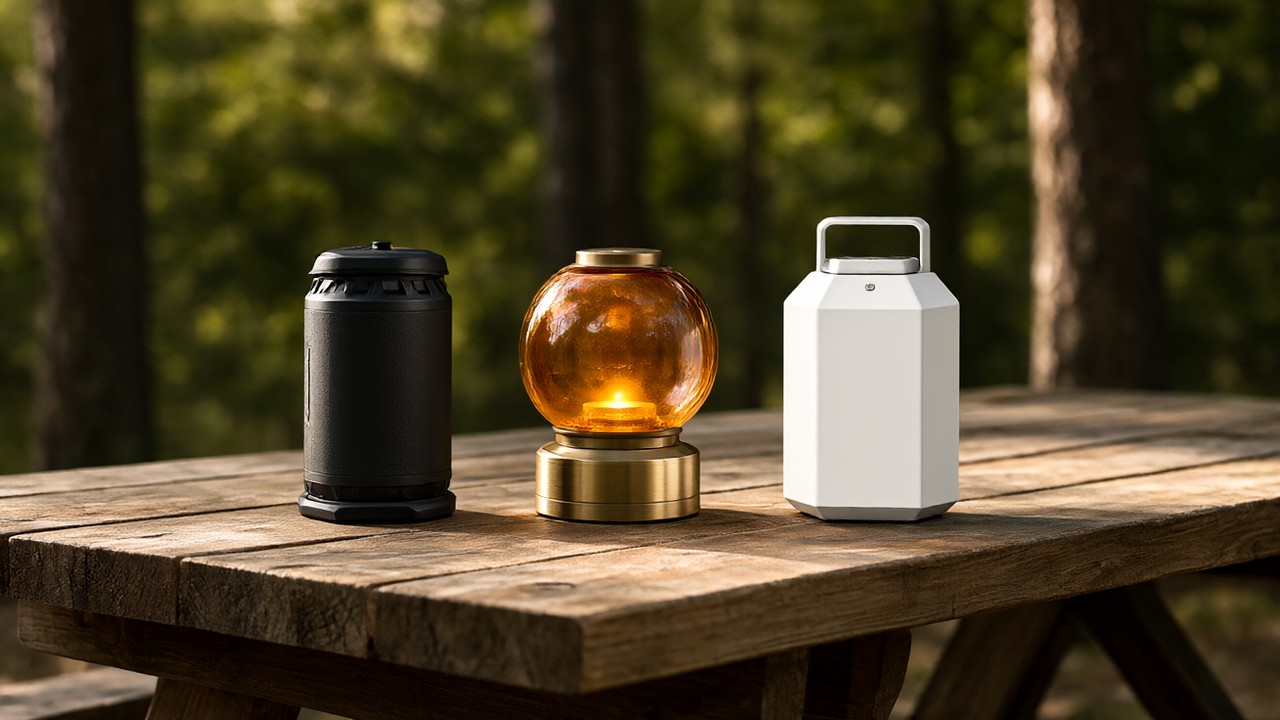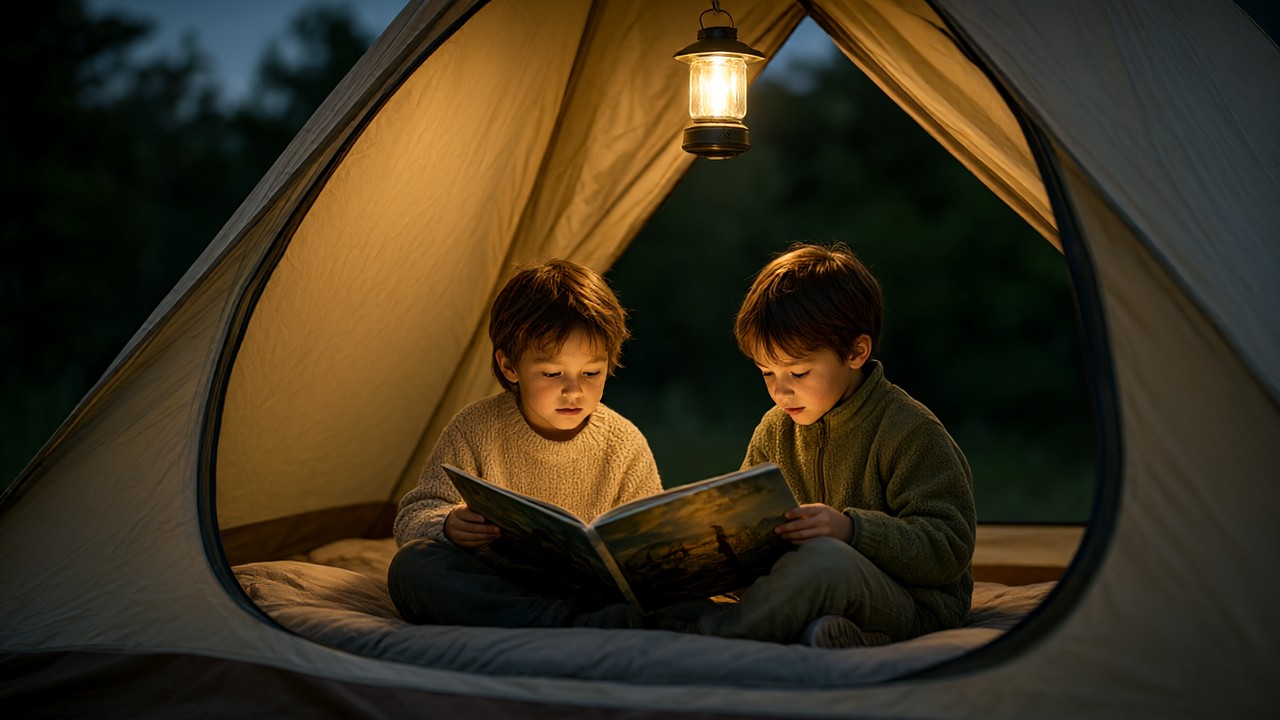
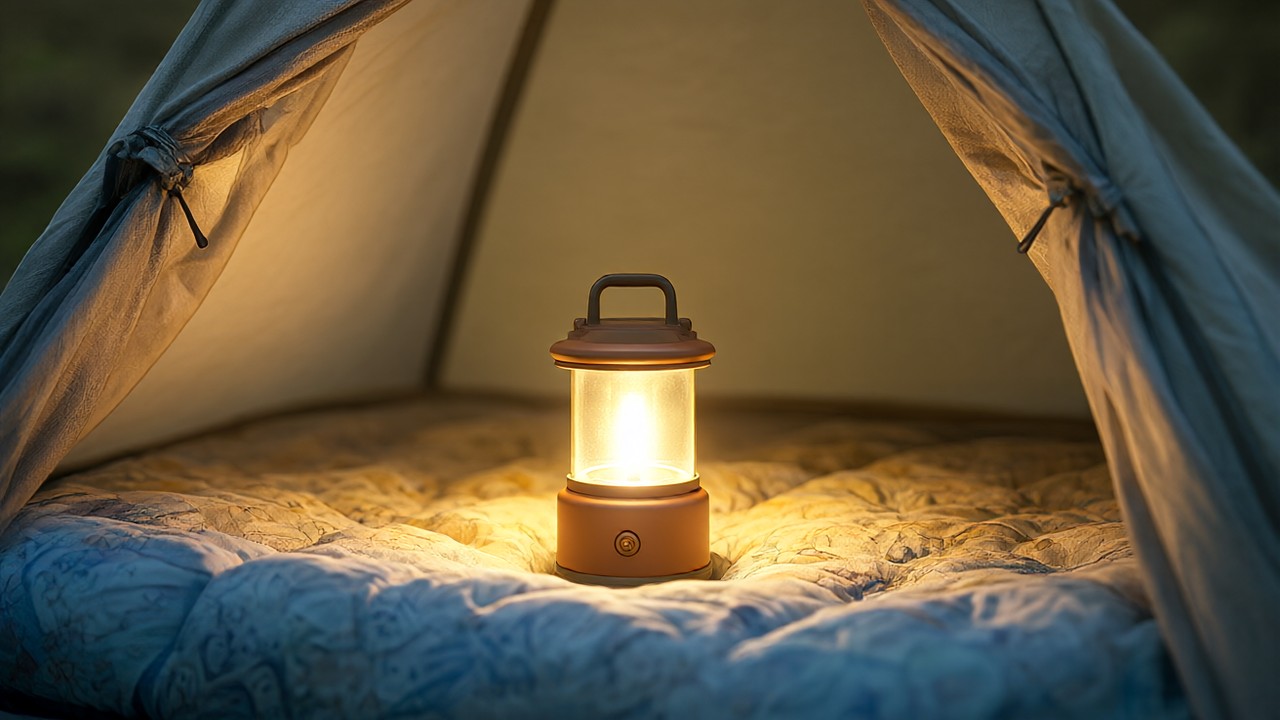

Camping lanterns for kids need to be safe, simple, and durable. Brightness matters less than ease of use and toughness.
A camping lantern for kids is a portable light with simple controls, a durable body, and low output, designed for small hands and rough use. A lantern that a child can turn on, carry, and drop without breaking is worth more than a high-lumen model with fiddly controls. This guide picks kid-friendly lanterns by age and camping style.
The short version: for kids, choose a 50 to 150 lumen lantern with a simple on/off switch, a rubberized body, and IPX4 or better. Budget $15 to $35. Add a nightlight mode (1 to 5 lumens) for late-night bathroom trips.
Key facts: kids do not need more than 150 lumens. Simple controls beat feature-rich ones. Durability matters more than brightness. A headlamp is often more useful for kids than a lantern, but a lantern lights the tent so everyone can see.
What Makes a Lantern Kid-Friendly
Four features matter for kids. Everything else is secondary.
Simple controls. One button or a dial. No multi-press sequences, no mode cycling, no touch panels. A child should be able to turn it on in the dark without help.
Durability. Rubberized body, drop rating of 1 meter or higher, and no fragile glass or exposed LEDs. Kids drop things. A lantern that breaks on the first trip is a waste.
Low brightness. 50 to 150 lumens is plenty for a kid’s tent or sleeping area. Higher output creates glare and drains the battery faster. A moonlight mode (1 to 5 lumens) is ideal for late-night navigation.
Safe materials. No exposed hot surfaces, no sharp edges, no small parts that can detach. LED lanterns run cool, so heat is not an issue, but physical durability is.
Lumens by Age
- Ages 3 to 6: 20 to 50 lumens. Nightlight territory. Enough to find the bathroom and not scare anyone. A glow-in-the-dark or soft-plastic lantern works well.
- Ages 7 to 10: 50 to 100 lumens. Enough to read, play cards, and organize gear. Simple on/off switch.
- Ages 11 to 14: 100 to 150 lumens. Approaching adult territory. A dimmer is useful but not essential.
- Teens: 150 to 300 lumens. Adult lanterns work fine. Prioritize durability and battery life.
For younger kids, a headlamp is often more useful than a lantern. It frees both hands and lights where they look. But a lantern lights the whole tent so siblings and parents can see too.
Kid-Friendly Lantern Profiles
| Profile | Lumens | Power | Weight | IP rating | Price | Best for |
|---|---|---|---|---|---|---|
| Toddler nightlight | 20 to 50 | Alkaline or small Li-ion | Under 6 oz | IPX4+ | $10 to $20 | Ages 3 to 6 |
| Kids (7 to 10) | 50 to 100 | Alkaline or rechargeable | 6 to 12 oz | IPX4+ | $15 to $30 | Ages 7 to 10 |
| Tweens and teens | 100 to 150 | Rechargeable | 8 to 16 oz | IPX4+ | $20 to $40 | Ages 11+ |
| Family shared | 200 to 300 | Rechargeable Li-ion | 12 to 20 oz | IPX4+ | $40 to $70 | Whole family tent |
Most families need one shared lantern for the tent plus individual headlamps for each kid. A dedicated kid lantern is a nice-to-have for older children who want their own light.
Features Kids Need (and Do Not Need)
Need: simple on/off switch, rubberized body, drop rating of 1 meter or higher, IPX4 or better, warm-white mode, and a hang loop or handle.
Do not need: 300+ lumens, USB-C power bank output, touch controls, multi-mode cycling, or premium materials. These add cost and complexity without benefit for kids.
Nice to have: glow-in-the-dark body (easy to find in a dark tent), a handle or carabiner for carrying, and a lockout mode to prevent accidental activation in a backpack.
Verdicts by Age and Use
Best for toddlers (ages 3 to 6): a soft-plastic or silicone nightlight lantern, 20 to 50 lumens, with a simple switch. Budget $10 to $20. Look for glow-in-the-dark or colorful designs that kids enjoy.
Best for kids (ages 7 to 10): a 50 to 100 lumen lantern with a rubberized body, single button, and warm-white mode. Budget $15 to $30. Black Diamond and Princeton Tec make kid-friendly models.
Best for tweens and teens: a 100 to 150 lumen rechargeable lantern with a dimmer. Budget $20 to $40. At this age, adult lanterns work fine if they are durable.
Best for family shared: a 200 to 300 lumen rechargeable upright with a frosted globe, warm-white mode, and a hang hook. Budget $40 to $70. One shared lantern covers the whole tent.
Safety for Kids
Picture a child at midnight, fumbling for a light in a dark tent: a simple switch they can find by feel beats a touch panel every time. LED lanterns are safe for kids. They produce no carbon monoxide and very little heat. But a few rules apply.
Keep lanterns away from sleeping bags and tent fabric. Even though LEDs run cool, do not bury them in bedding. Teach kids to turn the lantern off when not in use to save battery.
If you use a gas lantern or candle for atmosphere, keep it outdoors and ventilated. Never inside a tent. A CO detector is cheap insurance if you ever burn fuel near sleeping areas.
For more on CO safety and stove ventilation, see our hot tent stove guide.
Common Mistakes
One insight that surprises first-time buyers: a $15 kid’s lantern with a simple switch and a rubberized body outperforms a $40 adult lantern with fiddly controls, because kids need simplicity and durability more than features. The best kid lantern is the one the child can operate alone in the dark.
Buying too bright. A 500 lumen lantern for a 6-year-old is overkill and drains the battery fast. Match lumens to age.
Complex controls. Multi-button sequences frustrate kids. One button or a dial.
Fragile construction. Thin plastic and exposed LEDs break. Rubberized bodies and recessed LEDs survive drops.
No nightlight mode. A 1 to 5 lumen mode is invaluable for late-night bathroom trips without waking the whole tent.
Ignoring the handle. Kids need something to carry. A handle or carabiner makes the lantern portable for small hands.
When a Kid Lantern Is the Wrong Choice
A kid lantern is not always the right light. Three cases where another option wins.
Teens and older kids. At 11+, adult lanterns work fine. A 100 to 150 lumen rechargeable with a dimmer is better than a toy-like kid model.
Large family tents. A 50 lumen kid lantern will not light a 6-person tent. Use a shared family lantern (200 to 300 lumens) instead.
Solo backpacking. Even a 6 oz kid lantern is weight you can skip. A headlamp hung from the tent loop is enough.
Putting It Together
Match lumens to age, prioritize simple controls and durability, and add a nightlight mode for late-night use. A 50 to 150 lumen lantern with a rubberized body covers most kids.
For the full selection framework, see our LED camping lanterns complete guide. For brightness numbers, read our lumens guide. For tent-specific picks, see our best camping lanterns for tents. For family camping, see our best camping lanterns for families. For a buying guide, read our best LED camping lanterns guide.
Related reading: budget and power-bank camping lantern guides.
If you camp in a hot tent, your lighting choice interacts with stove safety. See our hot tent stove guide.
Last updated: 2026-11-17. Editorial buying guide based on published specifications and ANSI FL1 standards. Amazon affiliate links may appear.