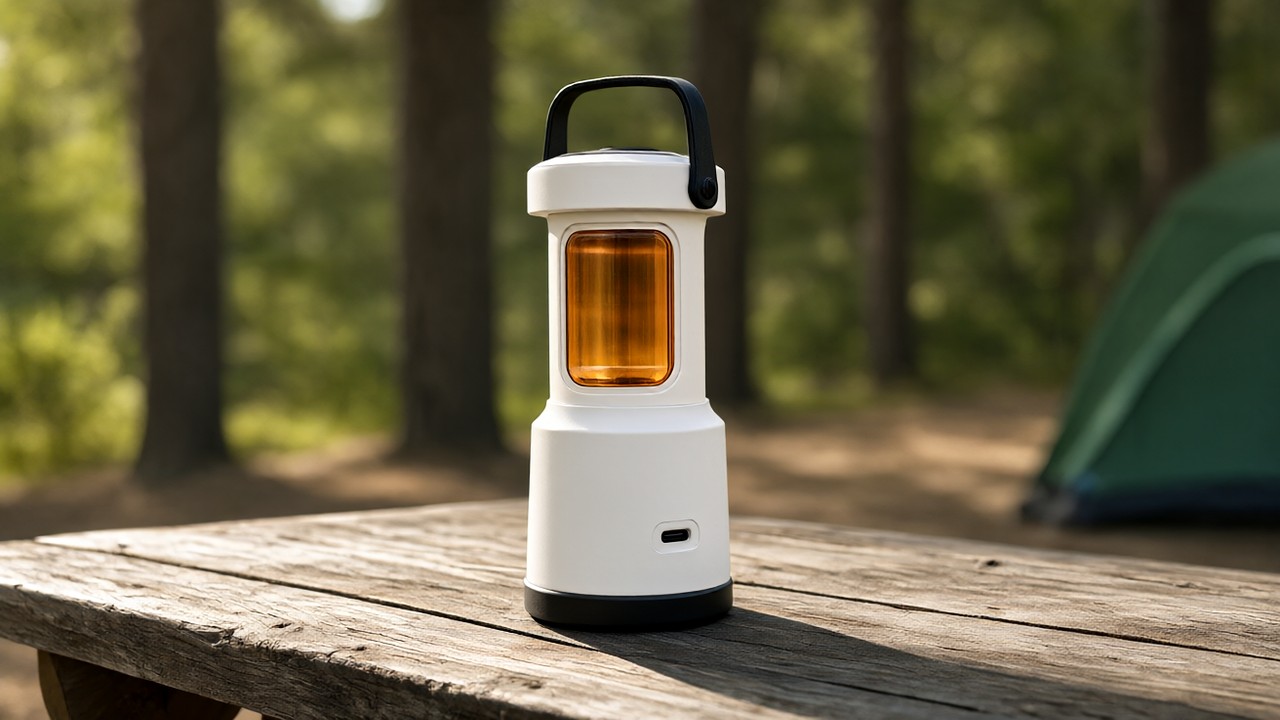
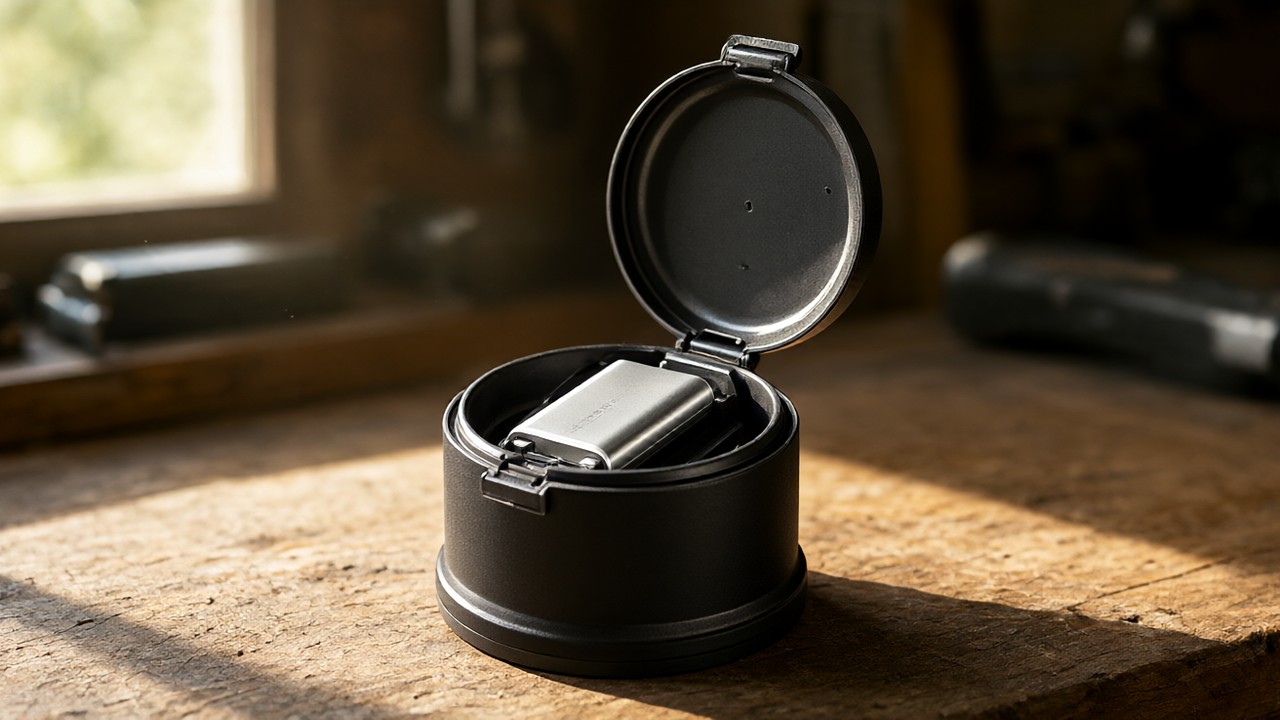

Camping lantern battery replacement and maintenance is the single biggest factor in how long your lantern lasts. LEDs last 25,000 to 50,000 hours, but batteries degrade in 3 to 5 years.
Replacing the battery (when possible) or caring for it properly extends the lantern’s life from 3 years to 10. A camping lantern battery is the rechargeable or disposable cell that powers the LED; its care determines the lantern’s lifespan. This guide covers battery types, replacement steps, storage, and the maintenance habits that matter.
The short version: the LED outlasts the battery. For rechargeable lanterns, store at 40 to 60 percent charge and avoid full or empty storage. For alkaline lanterns, remove batteries before long storage to prevent leakage. Replace the battery when runtime drops below 50 percent of original.
Key facts: Li-ion batteries last 3 to 5 years or 500+ charge cycles. Alkaline batteries last 5 to 10 years in storage but leak if left in a device. Cold storage extends battery life; heat destroys it. The LED itself rarely fails; the battery is the limiting factor.
Battery Types in Camping Lanterns
Four battery types power camping lanterns. Each has different care requirements and replacement options.
- Built-in Li-ion (rechargeable lanterns). Sealed inside the lantern. Not user-replaceable on most models. Lasts 3 to 5 years or 500+ charge cycles. Care matters more than replacement.
- Replaceable Li-ion (18650 or 21700 cells). Some premium lanterns use standard cells you can swap. Extends lantern life indefinitely. Requires buying compatible cells.
- Alkaline (AA, AAA, C, D). User-replaceable. Long shelf life (5 to 10 years). Leak risk if left in the device. Cold-tolerant.
- LiFePO4 (lithium iron phosphate). Used in some premium lanterns. Longer cycle life than Li-ion, better cold tolerance, but heavier and more expensive.
Most camping lanterns use built-in Li-ion. The battery is sealed, so replacement means buying a new lantern or sending it to the manufacturer. This is the main reason lanterns are replaced every 3 to 5 years, not every 10.
When to Replace the Battery
Replace or retire the lantern when runtime drops below 50 percent of the original specification. For a lantern rated at 10 hours on medium, that means less than 5 hours. Other signs: the battery swells, the lantern shuts off unexpectedly, or charging takes much longer than it used to.
For alkaline lanterns, replace batteries when output dims or the lantern flickers. Do not wait for complete failure; dimming means the battery is nearly empty and may leak.
For replaceable Li-ion cells (18650/21700), swap the cell when runtime drops. Buy from reputable brands (Panasonic, Samsung, LG) and match the capacity and discharge rating. Cheap cells degrade faster and can be unsafe.
How to Replace a Built-In Battery (If Possible)
Most built-in Li-ion batteries are not user-replaceable. Check the manual or the manufacturer’s website before attempting. Some brands sell replacement battery packs or offer a repair service.
If the battery is replaceable (screwed or clipped in), follow these steps.
- Power off and unplug. Remove the lantern from any power source.
- Open the battery compartment. Usually a screwed or clipped panel on the base.
- Disconnect the old battery. Note the connector type and polarity. Take a photo before disconnecting.
- Install the new battery. Match polarity and connector. Do not force it.
- Close the compartment. Ensure the seal is seated properly if the lantern is waterproof.
- Charge fully before use. A new Li-ion battery needs a full charge cycle to calibrate.
If the battery is soldered or glued, do not attempt replacement. Send it to the manufacturer or recycle the lantern.
Storage Best Practices
Picture a lantern pulled from a closet after 8 months: the battery is either dead or swollen, and the lantern is useless. Storage is where most batteries die early. Three rules prevent this.
Li-ion: store at 40 to 60 percent charge. Full charge degrades the battery faster because high voltage accelerates electrolyte oxidation and SEI layer growth. Empty charge can damage it because deep discharge can cause copper dissolution and internal shorts. If you store a lantern for more than a month, charge it to 50 percent first.
Alkaline: remove before long storage. Alkaline batteries leak when left in a device for months. Remove them and store separately. Check them annually for corrosion.
Keep cool and dry. Heat is the enemy of all batteries. Store lanterns in a cool, dry place. A hot car in summer can degrade a Li-ion battery in weeks. Freezing is less damaging but reduces capacity temporarily.
Avoid full discharge before storage. A completely empty Li-ion battery may not recover. Charge to 50 percent before storing.
Maintenance Schedule
Minimal maintenance keeps a lantern running for years.
- After each trip: wipe the lens and body, check the seal, and charge to 50 percent before storing.
- Every 3 months: charge the battery to full and discharge to 50 percent. This keeps the battery healthy and calibrates the charge indicator.
- Annually: inspect O-rings and seals, clean charging contacts, and check for corrosion on battery terminals.
- Before a trip: charge fully, test all modes, and check runtime. A lantern that fails on the first night is a ruined trip.
With this schedule, a quality lantern lasts 5 to 10 years. The battery, not the LED, is the limiting factor. If the battery is replaceable, the lantern can last indefinitely.
Common Mistakes
One insight that surprises first-time owners: the LED is almost never the part that fails. A quality LED lasts 25,000 to 50,000 hours, which is decades of camping. The battery dies first, usually in 3 to 5 years.
If your lantern is dim, check the battery before blaming the LED. Replacing a sealed battery is often impossible, which is why battery care matters more than LED care.
Storing fully charged or fully empty. Both degrade Li-ion faster. Store at 40 to 60 percent.
Leaving alkaline batteries in the device. They leak. Remove them before storage.
Storing in heat. A hot car, attic, or garage degrades batteries fast. Store in a cool, dry place.
Ignoring the seal. A cracked O-ring lets water in. Inspect annually and replace if damaged.
Using cheap replacement cells. Low-quality Li-ion cells degrade faster and can be unsafe. Buy from reputable brands.
When Replacement Is Not Worth It
Replacing a battery is not always the right call. Three cases where retirement or replacement of the whole lantern makes more sense.
Sealed battery with no replacement available. If the manufacturer does not sell a replacement pack, the lantern is a consumable. Recycle it and buy new.
Battery cost exceeds lantern value. If a replacement cell costs $30 and the lantern cost $40, buy a new lantern.
Multiple failures. If the switch, seal, or LED driver is also failing, the battery is not the only problem. Retire the lantern.
Putting It Together
The LED outlasts the battery. Care for the battery (store at 50 percent, keep cool, charge every 3 months) and your lantern lasts 5 to 10 years. Replace the battery when runtime drops below 50 percent of original, or retire the lantern if the battery is sealed and non-replaceable.
For the full selection framework, see our LED camping lanterns complete guide. For brightness numbers, read our lumens guide. For power source trade-offs, see our rechargeable vs battery comparison. For a buying guide, read our best LED camping lanterns guide.
If you camp in a hot tent, your lighting choice interacts with stove safety. See our hot tent stove guide.
Last updated: 2026-11-17. Editorial guide based on manufacturer specifications and battery care best practices. Amazon affiliate links may appear.