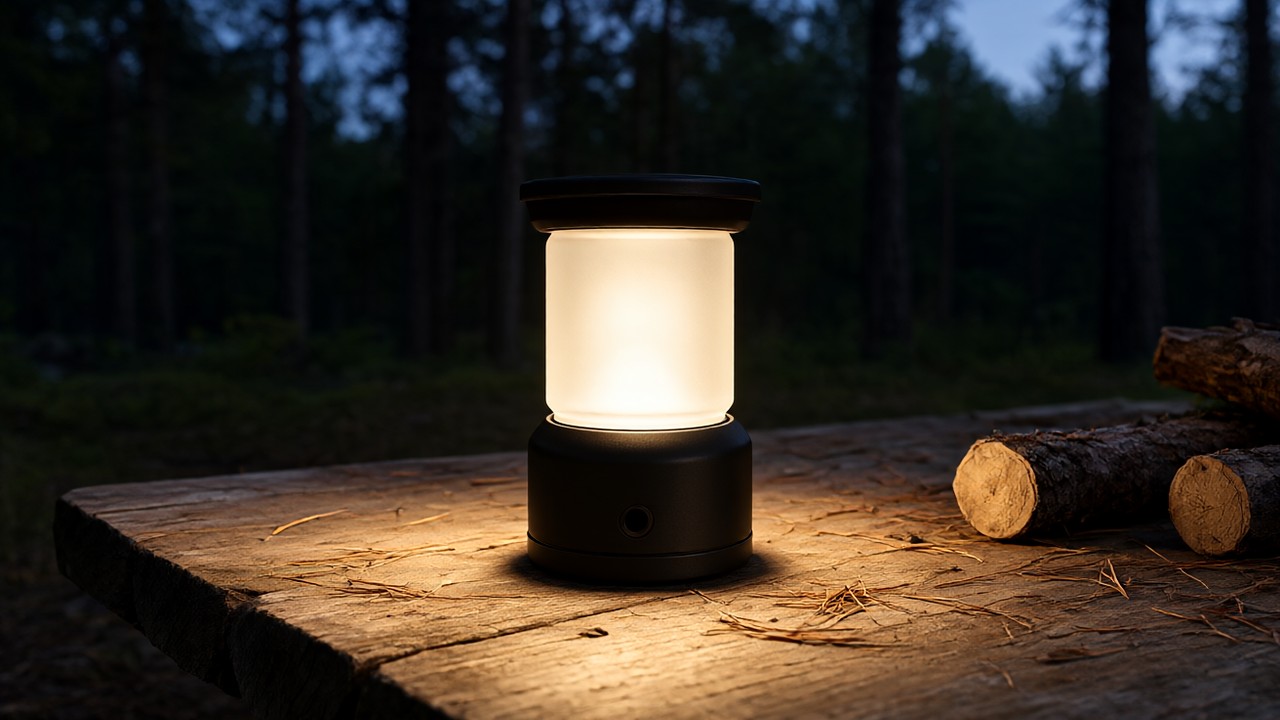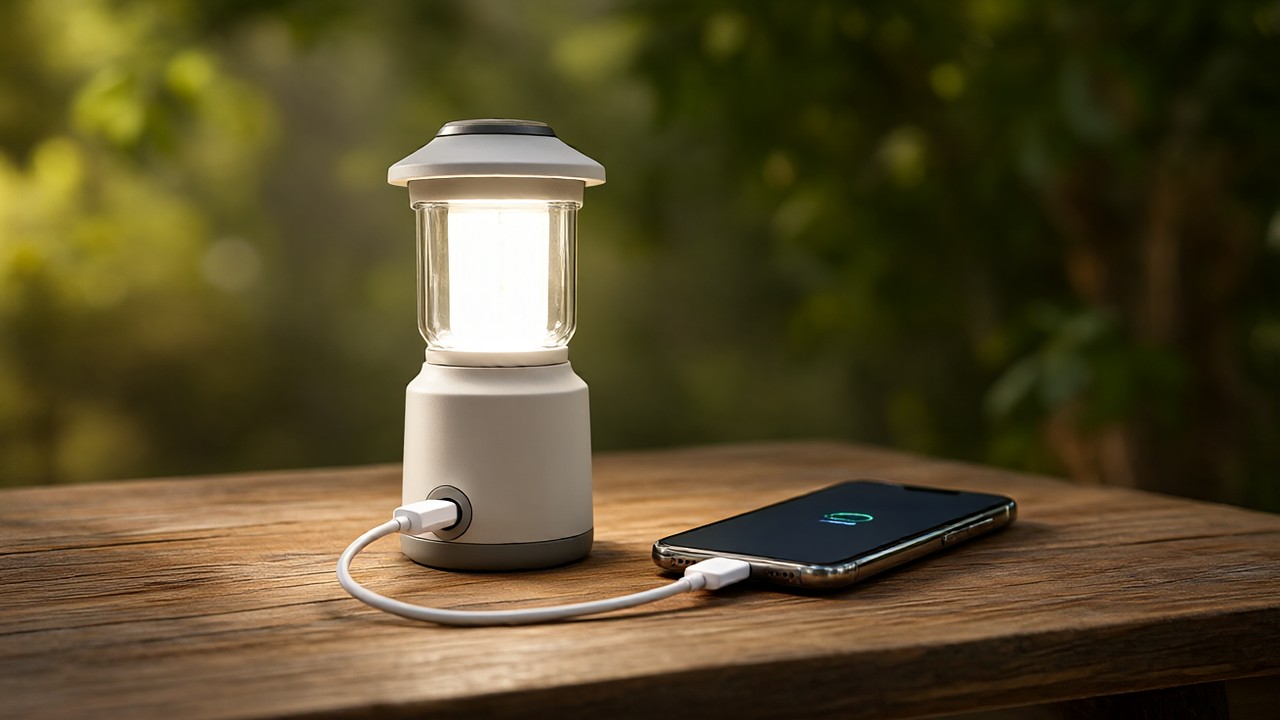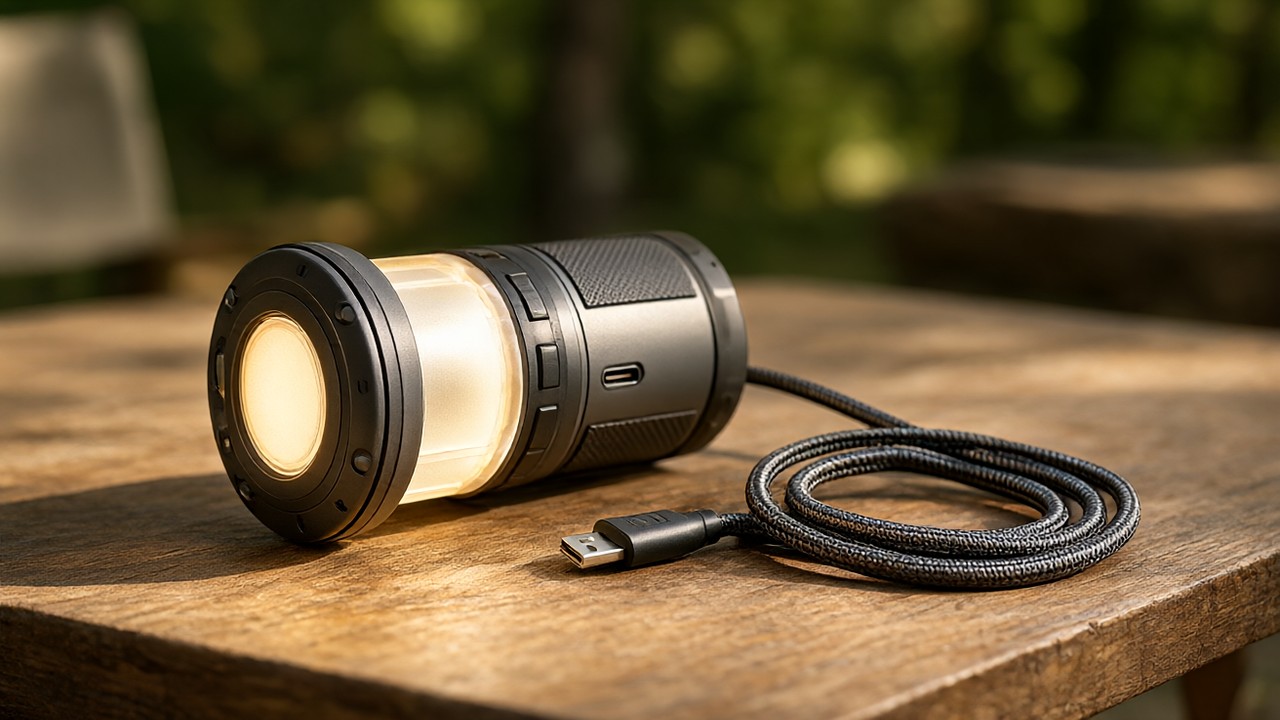
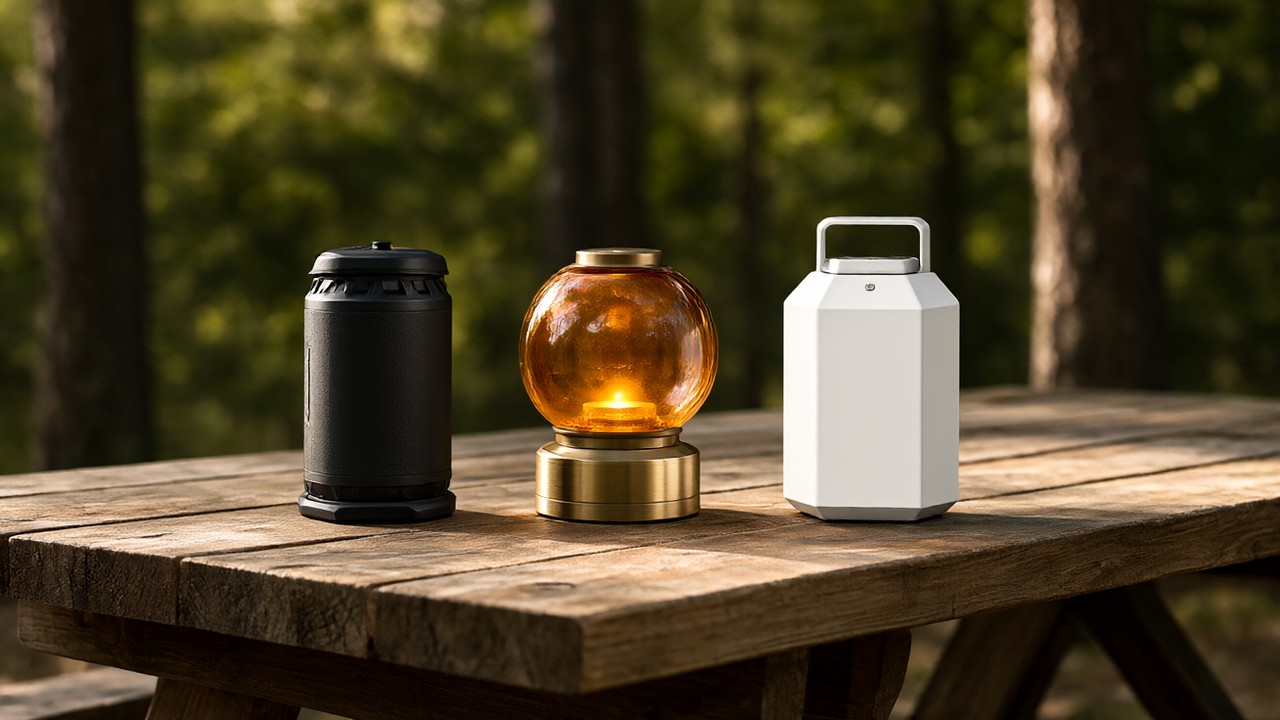

Best LED camping lanterns are not about the highest lumen number on the box. They are about matching brightness, power source, and durability to how you actually camp. This buying guide gives you a criteria-led framework, a comparison of lantern types, and verdicts by use case so you pick the right light the first time.
The short version: for most campers, the best LED camping lantern is a 200 to 400 lumen rechargeable upright model with a warm-white mode and at least IPX4. Spend $40 to $80. Go cheaper only for emergency backup; go premium only if you camp often or in harsh conditions.
Key facts: ANSI FL1 ratings are the only comparable lumen standard. Rechargeable Li-ion dominates the market for good reason. The four criteria that matter most are lumens (matched to space), power source (matched to trip length), IP rating (matched to weather), and weight (matched to carry method).
How We Evaluate (Criteria and Limits)
This guide uses four criteria, in priority order. No single lantern wins all four, so the verdict depends on your camping style.
- Brightness fit. Does the lumen range match the space? A 1,000 lumen lantern in a 2-person tent is a failure, not a feature. We score lanterns that offer a useful medium mode higher than those with only high and low.
- Power practicality. Does the battery last a real trip on the mode you will actually use? We check runtime at medium (200 to 300 lumens), not at the lowest setting.
- Durability. IP rating, drop rating, and seal quality. Car camping needs IPX4. Backpacking and canoe camping need IPX7 or higher.
- Value. Price per useful feature. A $30 alkaline lantern that works for 5 years beats a $120 rechargeable that sits in a drawer.
Limits of this guide: we do not test every lantern on the market. Recommendations combine published spec analysis (ANSI FL1 where available), manufacturer documentation, and owner-reported performance. Hands-on testing is not performed for every product. Prices and availability change; check the retailer before buying. Amazon affiliate links may appear.
The Four Lantern Profiles (and Which One Fits You)
Instead of ranking 20 models that change every season, we rank four profiles. Find the profile that matches your camping, then shop within it.
| Profile | Lumens | Power | Weight | IP rating | Price | Best for |
|---|---|---|---|---|---|---|
| Tent and table (primary) | 200 to 400 | Rechargeable Li-ion | 12 to 24 oz | IPX4+ | $40 to $80 | Most weekend campers |
| Backpacking | 50 to 150 | Solar or USB | Under 8 oz | IPX6+ | $25 to $50 | Weight-conscious hikers |
| Group and basecamp | 600 to 1,000 | Large Li-ion or D-cell | 2 to 4 lb | IPX4+ | $60 to $150 | Family and group camping |
| Emergency backup | 50 to 200 | Alkaline or crank | 8 to 16 oz | IPX4+ | $15 to $35 | Car kit, power outage prep |
Most campers need only the first profile. Add a second profile (backpacking or emergency) only if your camping style demands it. Buying one lantern to do everything usually means it does nothing well.
What to Look For (and What to Ignore)
Look for: ANSI FL1 rated output, runtime at medium (not just low), a continuous dimmer, USB-C charging, IPX4 or better, a warm-white mode, and a stable base that will not tip on a picnic table.
Ignore: peak lumen claims above 1,000 (rarely useful), “up to 100 hours” runtime (usually means 5 lumens), touch-sensitive controls (fiddly with cold or wet hands), and proprietary chargers (USB-C is the standard).
Red flags: no ANSI rating, no IP rating listed, runtime quoted only at the lowest mode, and brands that do not publish a medium-brightness runtime. These are signs the real performance is worse than the marketing.
Verdicts by Use Case
Best for most campers (tent and table): a 200 to 400 lumen rechargeable upright with warm-white and cool-white modes, USB-C, IPX4 or better, and a dimmer. Budget $40 to $80. Well-known options in this range include models from Goal Zero, BioLite, and Black Diamond. Check current prices and stock before buying.
Best for backpacking: a collapsible or inflatable lantern under 8 oz with 50 to 150 lumens, solar or USB recharge, and IPX6 or better. Budget $25 to $50. LuminAID and MPOWERD Luci are common choices in this category.
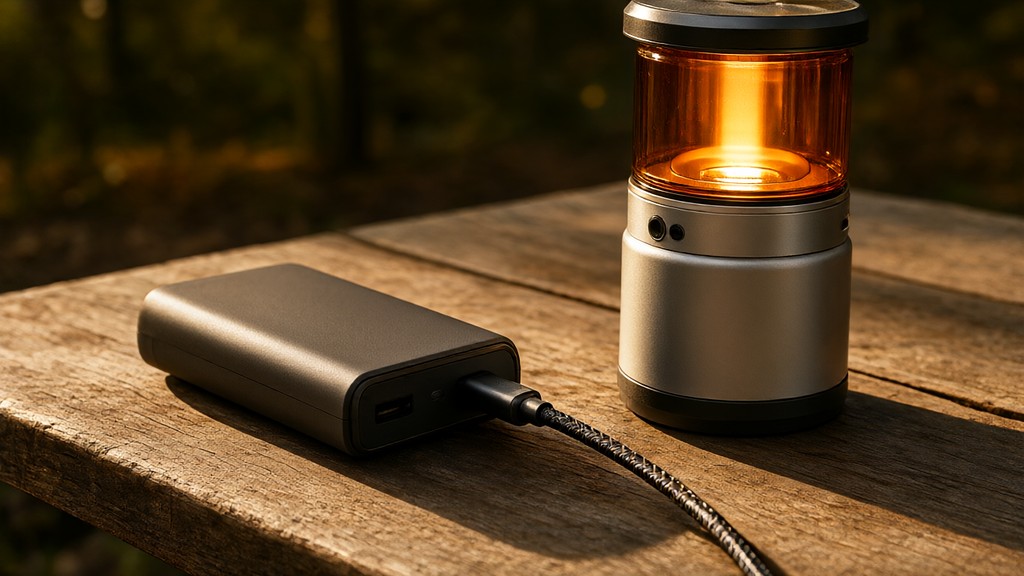
Best for group and family camping: a 600 to 1,000 lumen upright with a large battery (10,000+ mAh), USB-C, and power-bank output. Budget $60 to $150. Weight matters less here; prioritize runtime and brightness.
Best for emergency and backup: a simple alkaline or hand-crank hybrid with long shelf life and foolproof controls. Budget $15 to $35. Brightness is secondary to reliability.
Best budget (under $30): a basic alkaline upright. It will not have USB-C or a dimmer, but it works, it is cheap to replace, and batteries are available anywhere.
What to avoid: lanterns with no IP rating, no ANSI rating, proprietary chargers, or peak-only lumen claims. Also avoid 1,000+ lumen lanterns for tent use; the glare and battery drain are not worth it.
Common Buying Mistakes
Chasing lumens. A 1,000 lumen lantern in a 2-person tent is blinding and drains the battery in 2 hours. Match lumens to the space.
Trusting “up to X hours” runtime. That number is almost always the lowest mode. Check runtime at medium brightness before buying.
Ignoring the dimmer. Fixed low/medium/high modes often jump from too dim to too bright. A continuous dimmer is worth paying for.
Buying one lantern for everything. A backpacking lantern is dim at a picnic table. A group lantern is heavy on a trail. Match the tool to the trip.
Skipping the IP rating. If you camp in rain or near water, IPX4 is the minimum. IPX7 is worth it for canoe and kayak camping.
How to Decide: A Quick Checklist
- Where will it live? (tent, table, trail, or basecamp)
- How many nights between charges?
- How will you carry it? (car, backpack, boat)
- What is your budget for a lantern?
- Do you need a power bank feature?
- Will you camp in rain or cold?
Answer these six questions and the right profile picks itself. For the full selection framework, see our LED camping lanterns complete guide. For brightness numbers, read our lumens guide. For power source trade-offs, see our rechargeable vs battery comparison.
Putting It Together
Match the lantern to the trip, not the trip to the lantern. Start with the tent-and-table profile (200 to 400 lumens, rechargeable, IPX4+) and add specialized lanterns only if your camping demands it.
For rechargeable-specific picks, see our best rechargeable camping lanterns. For tent-specific picks, see our best camping lanterns for tents.
For family camping, see our best camping lanterns for families. For solar and off-grid use, see our solar camping lanterns guide.
For budget options, see our budget camping lanterns guide. For kids, see our camping lanterns for kids guide. For power-bank models, see our camping lanterns with power bank guide.
If you camp in a hot tent, your lighting choice interacts with stove safety and ventilation. See our hot tent stove guide for CO safety.
Last updated: 2026-11-17. Editorial buying guide based on published specifications, ANSI FL1 standards, and owner-reported performance. Hands-on testing not performed for every product. Amazon affiliate links may appear.