
Budget camping lanterns under $30 can be surprisingly good if you know what to look for. The trick is avoiding the ones that cut corners on the battery, the switch, or the seal.
A budget camping lantern is a portable light under $30 that provides basic illumination without premium features like USB-C, dimmers, or high IP ratings. This guide shows what $30 buys, what it does not, and how to get the most value.
The short version: the best budget camping lantern is a basic alkaline or entry-level rechargeable upright with 100 to 300 lumens, a frosted globe, and IPX4 or better. Budget $15 to $30. It will not have USB-C or a dimmer, but it works and is cheap to replace.
Key facts: $30 buys a functional lantern with basic features. Below $15, quality drops sharply. The best budget value is a simple alkaline upright or an entry-level rechargeable. Premium features (USB-C, dimmer, IPX7) start at $40.
What $30 Buys (and What It Does Not)
At $15 to $30, you get a functional lantern with basic features. At $30 to $40, you start getting USB charging and better build quality. Above $40, premium features appear.
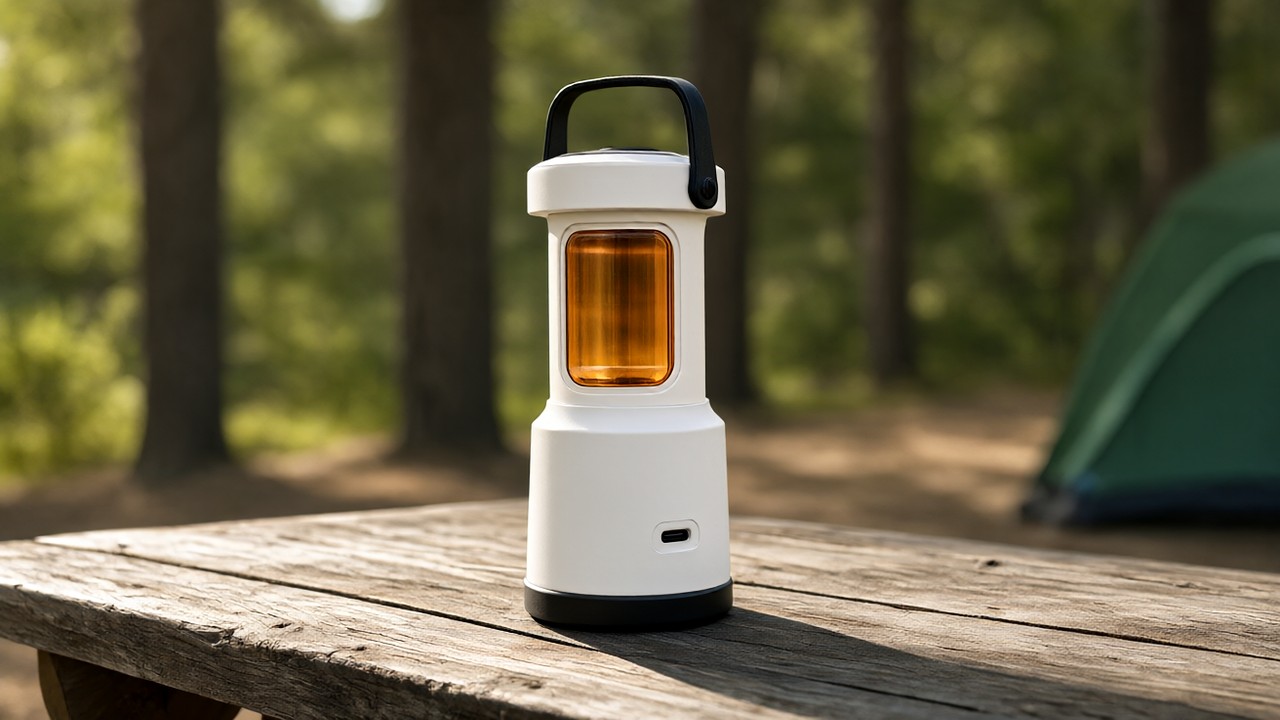
What $30 buys: 100 to 300 lumens, a frosted globe, basic on/off switch, IPX4 or better, and either alkaline batteries or a small built-in Li-ion battery. Enough for car camping and weekend trips.
What $30 does not buy: USB-C charging (usually Micro-USB or none), a continuous dimmer (fixed modes only), power-bank output, IPX7 waterproofing, or premium materials. These appear at $40 and above.
The budget tier is a legitimate choice, not a compromise. For occasional campers, a $25 alkaline lantern that works for 5 years is a better value than a $120 rechargeable that sits in a drawer.
Budget Lantern Profiles
| Profile | Lumens | Power | Weight | IP rating | Price | Best for |
|---|---|---|---|---|---|---|
| Ultra-budget (alkaline) | 100 to 200 | Alkaline (AA/D) | 12 to 20 oz | IPX4+ | $10 to $20 | Emergency kits, rare campers |
| Budget rechargeable | 100 to 300 | Small Li-ion | 10 to 18 oz | IPX4+ | $20 to $30 | Occasional campers |
| Budget tent | 50 to 150 | Alkaline or small Li-ion | 8 to 14 oz | IPX4+ | $15 to $25 | Small tents, kids |
| Budget emergency | 50 to 150 | Alkaline or crank | 8 to 16 oz | IPX4+ | $10 to $20 | Car kit, power outage prep |
Most budget buyers need the ultra-budget or budget rechargeable profile. The budget tent profile works for small tents and kids. The emergency profile is for backup use.
What to Look For Under $30
One insight that surprises first-time buyers: the best budget lantern is often a $20 alkaline model, not a $25 rechargeable. Alkaline lanterns at this price have simpler electronics (fewer failure points), longer shelf life, and batteries you can swap anywhere. A rechargeable at $25 cuts corners on the battery and charging circuit. Spend $40+ for a good rechargeable, or stay under $20 for alkaline.
Frosted globe. Essential, even at this price. A clear globe creates harsh glare. Frosted diffuses evenly.
IPX4 or better. Splash resistance is the minimum. If the spec sheet does not list an IP rating, assume none.
Simple controls. One button or a dial. Multi-button sequences are frustrating on budget lanterns.
Stable base. A lantern that tips over is useless. Look for a wide, flat base.
Warm-white mode. Even budget lanterns should offer warm white. Cool white only is harsh in a tent.
What to Avoid Under $30
No IP rating listed. If the brand does not publish an IP rating, assume no water protection.
Proprietary chargers. A budget lantern that needs a special cable is a liability. USB-C or Micro-USB is the standard.
Peak-only lumen claims. “500 lumens” with no ANSI rating and no medium-mode runtime is marketing, not performance.
Thin plastic and exposed LEDs. These break on the first drop. Rubberized bodies and recessed LEDs survive.
No runtime at medium. If the brand only quotes “up to 100 hours” (lowest mode), the real runtime at usable brightness is much shorter.
Verdicts by Budget Tier
Best under $20: a basic alkaline upright with 100 to 200 lumens, IPX4, and a frosted globe. Budget $10 to $20. Coleman and Ozark Trail make reliable budget options.
Best under $30: an entry-level rechargeable with 100 to 300 lumens, USB charging, and IPX4. Budget $20 to $30. Look for USB-C if possible.
Best budget for tents: a 50 to 150 lumen lantern with a frosted globe and warm mode. Budget $15 to $25. Enough for a small tent without glare.
Best budget for emergencies: a hand-crank plus solar hybrid with long shelf life. Budget $10 to $20. Brightness is secondary to reliability.
When to spend more: if you camp more than 4 times a year, a $50 rechargeable pays for itself in battery savings and features within a season.
Common Mistakes in Budget Buying
Picture a shopper grabbing the cheapest lantern on the shelf, only to find the switch breaks on the first trip and the seal leaks in light rain. Four mistakes to avoid.
Chasing lumens. A 500 lumen budget lantern is usually overstated and drains the battery in an hour. Match lumens to the space.
Ignoring the IP rating. A $20 lantern with no IP rating is a fair-weather-only light. If you camp in rain, spend $5 more for IPX4.
Buying the cheapest option. Below $15, quality drops sharply. Switches break, seals leak, and batteries die fast. $20 to $30 is the sweet spot for budget.
Forgetting runtime at medium. A lantern that runs 100 hours on 5 lumens but 3 hours on 200 lumens is not a 100-hour lantern for practical use.
When Budget Is the Wrong Choice
A budget lantern is not always the right choice. Three cases where spending more pays off.
You camp more than 4 times a year. The running cost of alkaline batteries adds up. A rechargeable lantern pays for itself within a season.
You need USB-C or a dimmer. These features start at $40. If you camp in a tent with kids, a dimmer is worth the premium.
You camp in rain or cold. IPX7 waterproofing and cold-rated batteries cost more. If your conditions demand them, budget lanterns will fail.
Putting It Together
For occasional campers, a $20 to $30 alkaline or entry-level rechargeable with 100 to 300 lumens, IPX4, and a frosted globe is plenty. Spend more only if you camp often or need premium features.
For the full selection framework, see our LED camping lanterns complete guide. For brightness numbers, read our lumens guide. For power source trade-offs, see our rechargeable vs battery comparison. For tent-specific picks, see our best camping lanterns for tents. For a buying guide, read our best LED camping lanterns guide.
Related reading: kids and power-bank camping lantern guides.
If you camp in a hot tent, your lighting choice interacts with stove safety. See our hot tent stove guide.
Last updated: 2026-11-17. Editorial buying guide based on published specifications and ANSI FL1 standards. Amazon affiliate links may appear.