
Best camping lanterns for families need to do three things: light a large tent evenly, run all evening on one charge, and survive being dropped by a kid.
Brightness, battery life, and durability matter more than peak lumens. A best camping lantern for families is a portable light with diffuse output, long runtime, and a drop-resistant body, sized to the family tent. This guide picks family lanterns by tent size and camping style.
The short version: for most families, the best camping lantern is a 300 to 500 lumen rechargeable upright with a large battery (5,000+ mAh), a frosted globe, USB-C charging, and IPX4 or better. Budget $60 to $120. It lights a family tent, charges phones, and runs all evening.
Key facts: family tents need 300 to 500 lumens, far less than a picnic table. A large battery (5,000+ mAh) covers a weekend plus phone charging. Diffuse light beats bright light in a tent with kids. Durability matters because family gear gets dropped.
What Families Need (and What They Do Not)
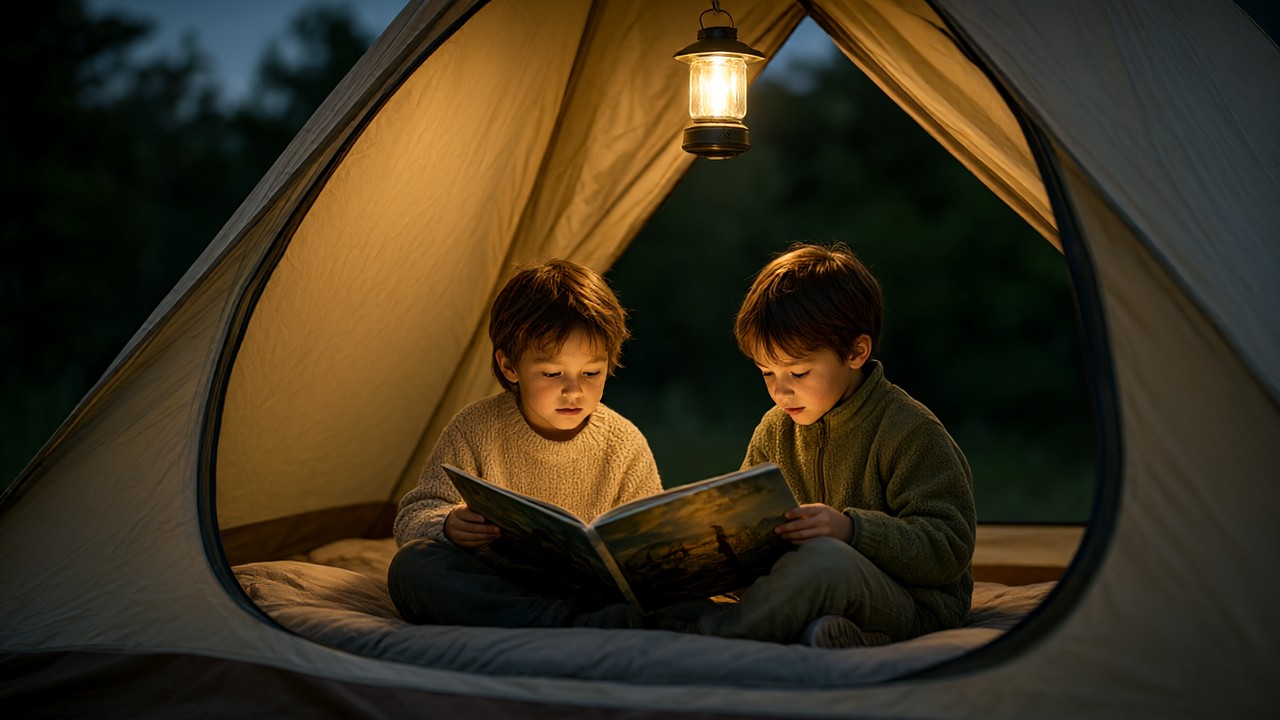
Picture a family tent at 9 p.m.: kids reading, parents playing cards, everyone needing just enough light to see without losing night vision. Four things matter most.
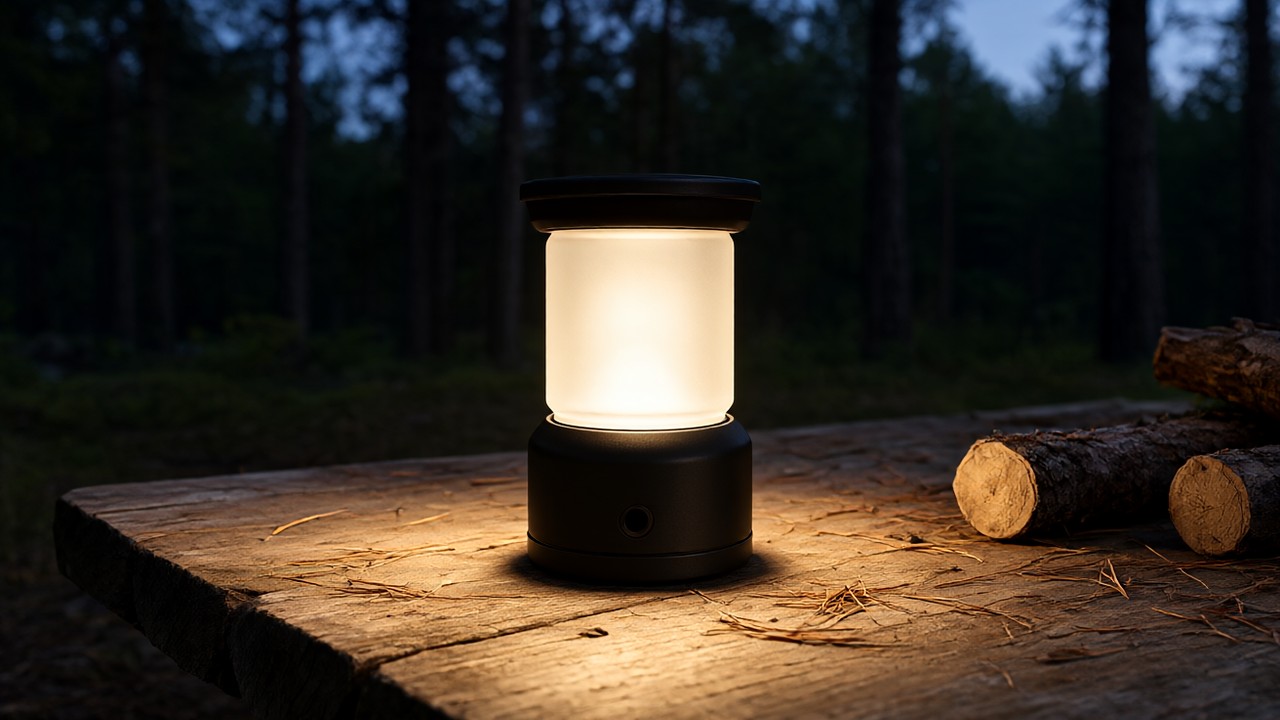
Even, diffuse light. A frosted globe lights a tent evenly so everyone can see without glare. Harsh point sources create shadows and complaints.
Long runtime. Family evenings run long. A lantern that dies at 9 p.m. is a problem. Target 8 to 12 hours on medium.
Durability. Kids drop things. A lantern with a rubberized base and a drop rating of 1 meter or higher survives family use. Fragile lanterns become expensive.
Simple controls. One button or a dial. No multi-press sequences. Everyone in the family should be able to turn it on.
What families do not need: 1,000+ lumens (glare and battery drain), ultralight weight (car camping, so weight does not matter), or touch controls (fiddly for kids).
Lumens by Family Tent Size
Family tents need more light than solo tents but far less than a picnic table. Larger tent volume means light spreads thinner, so output must scale with floor area. Use these ranges.
- 3 to 4 person tent: 200 to 300 lumens. Enough for reading, games, and organizing gear.
- 5 to 6 person tent: 300 to 400 lumens. Lights a larger space without glare.
- 8+ person or cabin tent: 400 to 600 lumens. Large spaces need more output, but rarely more than 600.
A lantern with a dimmer lets you drop to 50 lumens for late-night navigation. A moonlight mode (1 to 5 lumens) is ideal for checking on kids without waking them.
Family Lantern Profiles
| Profile | Lumens | Battery | Weight | IP rating | Price | Best for |
|---|---|---|---|---|---|---|
| Small family (3 to 4 person tent) | 200 to 300 | 3,000 to 5,000 mAh | 12 to 20 oz | IPX4+ | $40 to $70 | Weekend family camping |
| Large family (5 to 6 person tent) | 300 to 400 | 5,000 to 8,000 mAh | 1.5 to 2.5 lb | IPX4+ | $60 to $100 | Regular family campers |
| Big group or cabin tent (8+) | 400 to 600 | 8,000+ mAh | 2 to 4 lb | IPX4+ | $80 to $150 | Extended family, group camping |
| Budget family | 200 to 300 | Alkaline or small Li-ion | 12 to 20 oz | IPX4+ | $20 to $40 | Occasional family campers |
Most families need the small or large family profile. Big group tents need more output but rarely more than 600 lumens.
Features Families Should Prioritize
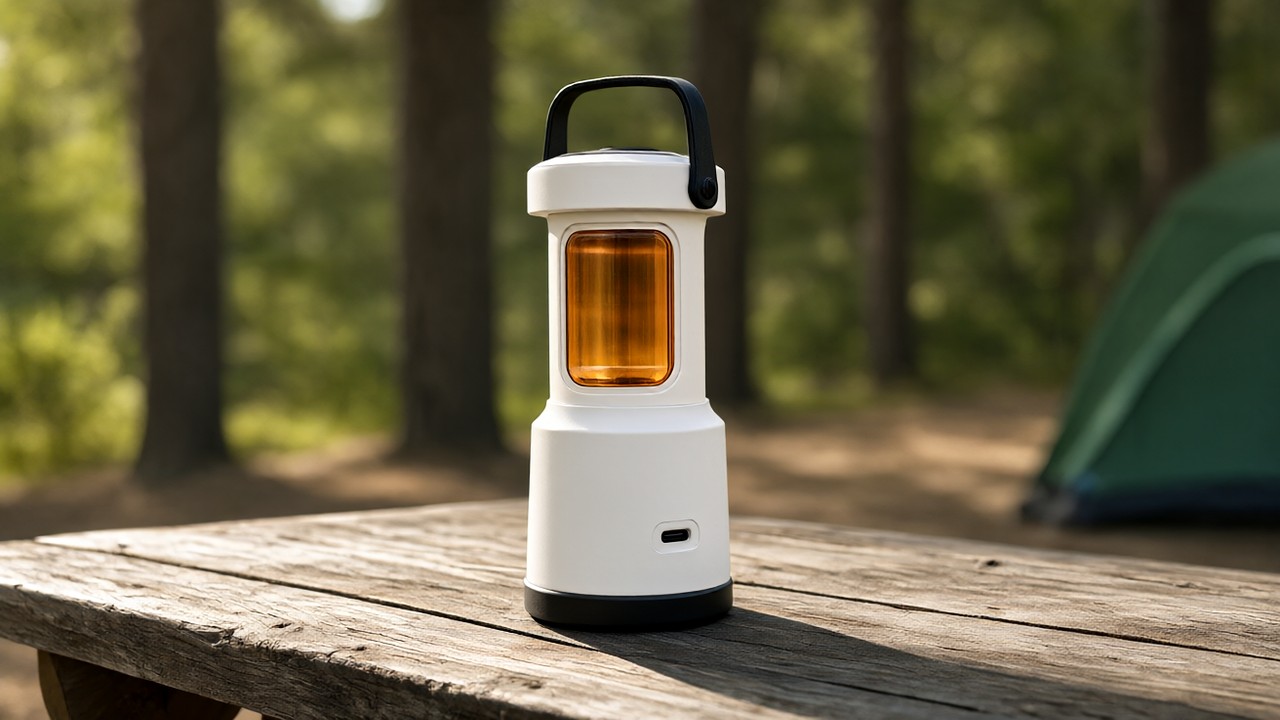
Frosted or opal globe. Essential. Diffuses light evenly so the whole tent is lit without glare. Clear globes create harsh shadows.
Large battery (5,000+ mAh). Family evenings run long. A 5,000 mAh lantern on medium (250 lumens) runs 10 to 15 hours and charges a phone.
Power-bank output. Charges phones, headlamps, and tablets. Useful on multi-day trips. Output is slow, so it is an emergency top-up.
Hang hook or loop. Hanging from the tent apex spreads light downward evenly. Many lanterns include a fold-out hook.
Simple controls. One button or a dial. Everyone in the family should be able to turn it on and adjust brightness.
Drop resistance. A rubberized base and a published drop rating of 1 meter or higher. Family gear gets dropped.
Features to Skip for Family Camping
Peak lumens above 600. Glare and battery drain in a tent. Not needed.
Ultralight weight. Car camping means weight does not matter. Prioritize durability and runtime.
Touch controls. Fiddly for kids and cold hands. Physical buttons or a dial are better.
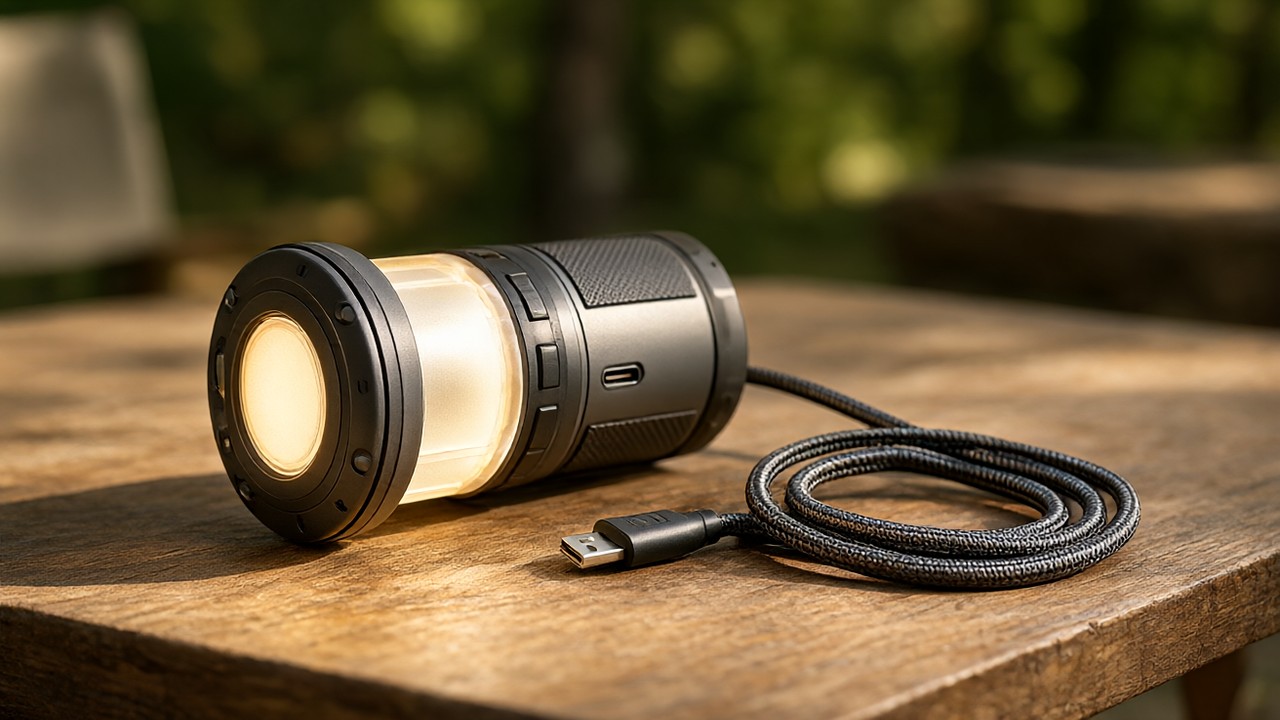
Proprietary chargers. USB-C is the standard. Avoid lanterns that need a special cable.
Verdicts by Family Type
Best for small families (3 to 4 person tent): a 200 to 300 lumen rechargeable upright with a frosted globe, warm-white mode, USB-C, IPX4 or better, and a hang hook. Budget $40 to $70. Goal Zero and BioLite make solid options.
Best for large families (5 to 6 person tent): a 300 to 400 lumen upright with 5,000+ mAh, power-bank output, and a stable base. Budget $60 to $100. Prioritize runtime and even light spread.
Best for big group or cabin tents: a 400 to 600 lumen upright with 8,000+ mAh and power-bank output. Budget $80 to $150. Weight matters less; prioritize runtime.
Best budget for families (under $40): a basic rechargeable or alkaline upright with a frosted globe. It works, it is cheap, and it is easy to replace.
Common Mistakes in Family Camping Lighting
One insight that surprises first-time family campers: a single 300 lumen lantern in the center of a family tent often lights it better than two 150 lumen lanterns at opposite ends, because one central source creates even, shadow-free light while two sources create competing shadows and glare.
Buying too bright. A 1,000 lumen lantern in a family tent is blinding. Match lumens to tent size.
Clear globe or exposed LEDs. Creates harsh glare. Frosted or opal diffuses evenly.
No dimmer. Fixed modes jump too far. A continuous dimmer is worth paying for, especially with kids sleeping.
Ignoring durability. Family gear gets dropped. A drop rating and rubberized base save money over time.
One lantern for everything. A family tent lantern is dim on a picnic table. A table lantern is harsh in a tent. Match the tool to the use.
When a Family Lantern Is the Wrong Choice
A family lantern is not always the right light. Three cases where another option wins.
Backpacking or solo trips. Family lanterns are too heavy and too bright for one person. Use a collapsible or headlamp.
Large group sites (10+ people). A single family lantern will not light a large group area. Use multiple lights or a high-output area lantern.
Ultralight travel. Even a 12 oz lantern is too heavy for ultralight backpacking. A headlamp hung from the tent loop is enough.
Putting It Together
Match lumens to tent size, choose a frosted globe with warm-white mode, and prioritize battery life, durability, and simple controls. A 300 to 400 lumen rechargeable lantern with 5,000+ mAh covers most family tents.
For the full selection framework, see our LED camping lanterns complete guide. For brightness numbers, read our lumens guide. For power source trade-offs, see our rechargeable vs battery comparison. For tent-specific picks, see our best camping lanterns for tents. For a buying guide, read our best LED camping lanterns guide.
Related reading: rechargeable, waterproof, solar, kids, budget, and power-bank camping lantern guides.
If you camp in a hot tent, your lighting choice interacts with stove safety. See our hot tent stove guide.
Last updated: 2026-11-17. Editorial buying guide based on published specifications and ANSI FL1 standards. Amazon affiliate links may appear.