
Solar camping lanterns charge from sunlight and never need a wall outlet or spare batteries. They are ideal for backpacking, off-grid camping, and emergency kits. The trade-off is slow charging and weaker performance in clouds.
A solar camping lantern is a portable light that combines a photovoltaic panel with a rechargeable battery and an LED, charging from sunlight. This guide explains how solar lanterns work, where they shine, and where they fall short.
The short version: a solar camping lantern is worth it if you camp in sunny conditions and want zero fuel cost. It is not worth it as your only light in cloudy or forested camps. Pair it with a small power bank or alkaline backup for reliability.
Key facts: solar panels on lanterns are small (1 to 3 watts), so charging takes 6 to 12 hours of direct sun. Li-ion storage batteries hold the charge. Collapsible and inflatable solar lanterns (LuminAID, MPOWERD Luci) are the most popular. Solar is best as a primary light in sunny climates or a backup everywhere.
How Solar Camping Lanterns Work
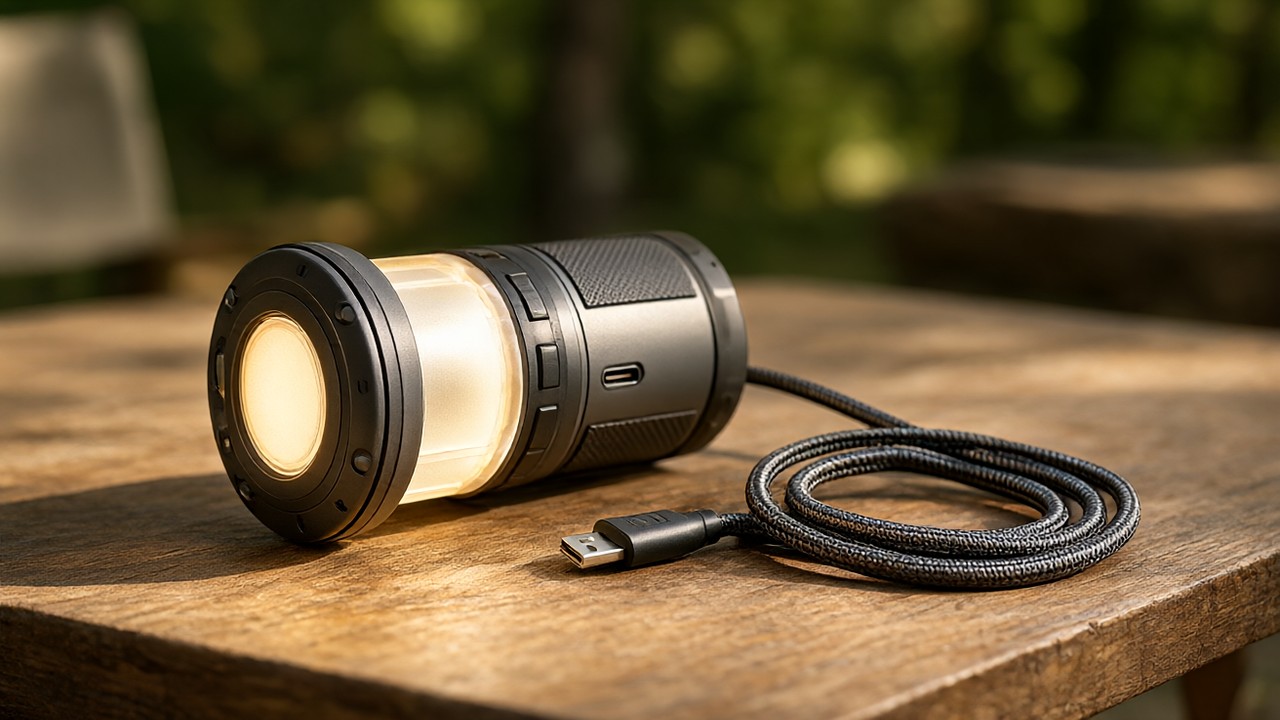
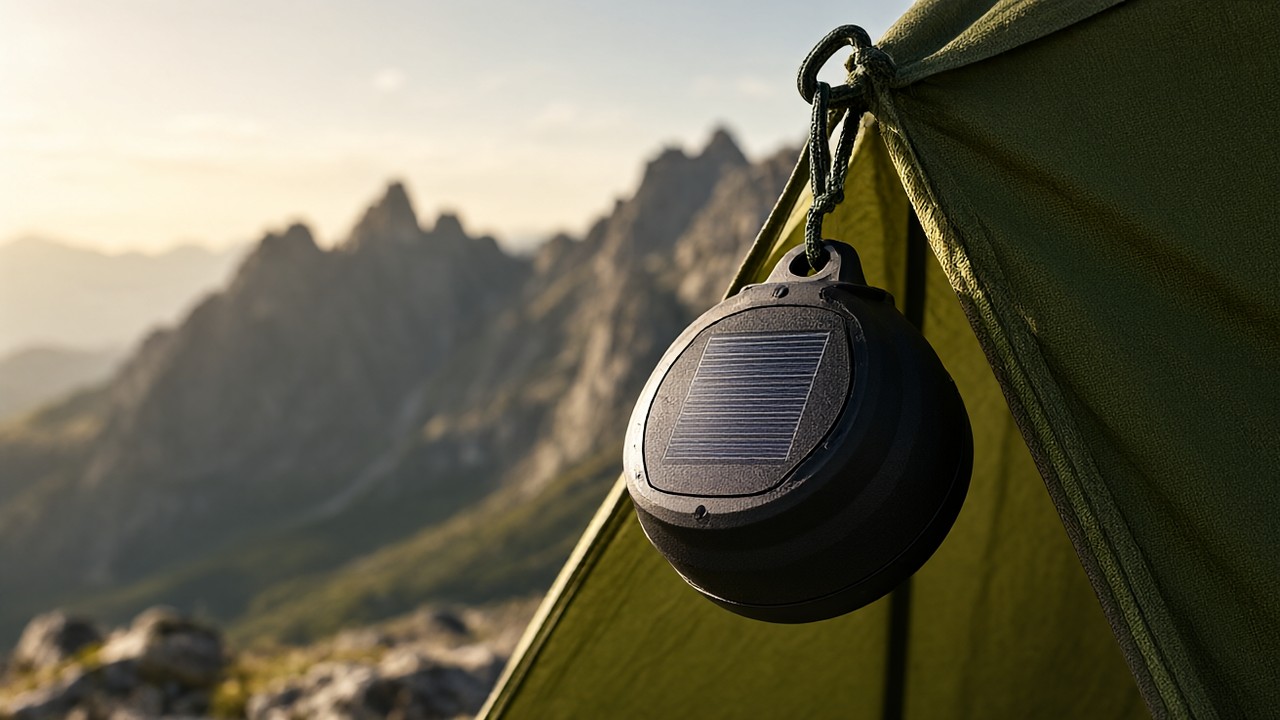
A solar lantern combines a small photovoltaic panel with a rechargeable battery and an LED. The panel converts sunlight into electricity, which charges the battery. The battery powers the LED when the sun is gone. Most models also charge via USB as a backup.
The panel is the limiting factor because a 1-watt panel in full sun produces about 1 watt of power, while a 2,000 mAh battery stores 7.4 watt-hours. Charging takes 6 to 10 hours of direct sunlight because the panel output is tiny relative to the battery capacity. In partial shade or overcast, charging takes much longer or stalls entirely.
Battery storage is usually Li-ion or LiFePO4. Li-ion is lighter and cheaper. LiFePO4 tolerates more charge cycles and cold better, but costs more and weighs more. For solar lanterns, Li-ion is standard.
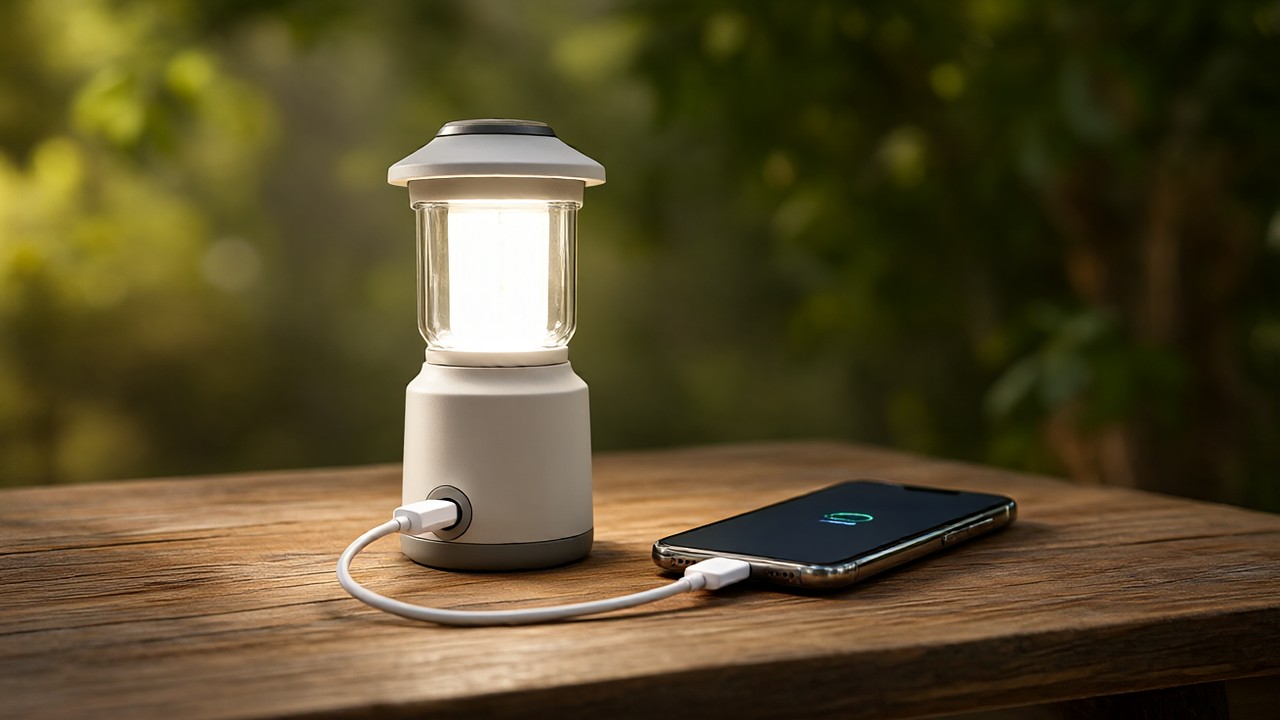
Most solar lanterns also have a USB input for charging from a power bank or wall outlet. This dual-input design is worth having: it covers cloudy days and short trips where solar charging is not practical.
Where Solar Lanterns Shine
Picture a backpacker at noon, lantern clipped to the pack, charging silently in full sun while the trail stretches ahead. Five scenarios where solar wins.
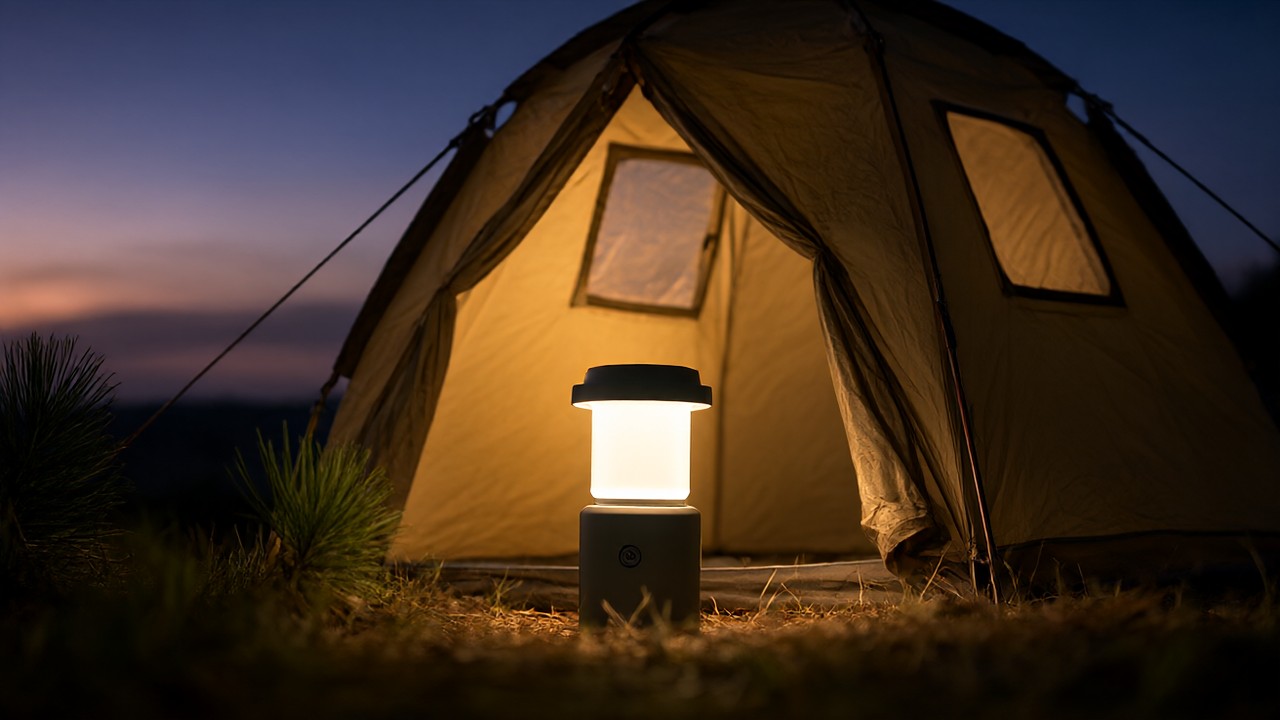
Backpacking in sunny climates. A solar lantern that charges while you hike and lights your tent at night is a zero-weight-fuel solution. Collapsible models weigh under 8 oz and pack flat.
Off-grid and remote camping. No outlets, no spare batteries to carry. Solar is the only renewable light source that works anywhere with sun.
Emergency and disaster prep. A solar lantern with a hand crank backup works during power outages. Long shelf life and no fuel to store.
Canoe and kayak camping. Solar charging on the deck during the day, light at night. No batteries to keep dry.
Beach and desert camping. Abundant sun means reliable charging. Solar lanterns thrive here.
Where Solar Lanterns Fall Short
One insight that surprises first-time buyers: a solar lantern’s real bottleneck is not the panel, it is the battery. A 3-watt panel can charge a 2,000 mAh battery in 3 hours, but most solar lanterns ship with 1-watt panels to save weight and cost. Upgrading the panel (if removable) doubles charging speed more than upgrading the battery.
Forested campsites. Canopy shade kills solar charging. A lantern that needs 8 hours of sun may get 2 hours under trees. Charge before you leave or bring a backup.
Overcast and rainy weather. Clouds reduce panel output by 50 to 90 percent. A solar lantern in a week of rain is a dead lantern. Always carry a backup power source.
Short trips. If you camp for one night, solar charging is irrelevant. You need a lantern that is charged before you leave, not one that charges during the trip.
High brightness needs. Solar lanterns are usually 50 to 150 lumens. They are not group-site lights. For 300+ lumens, you need a larger battery than solar can reliably charge.
Solar vs Rechargeable vs Alkaline
| Factor | Solar | Rechargeable (Li-ion) | Alkaline |
|---|---|---|---|
| Fuel cost | Free (sunlight) | Near zero (electricity) | $5 to $10 per trip |
| Charging time | 6 to 12 hours (sun) | 2 to 6 hours (USB) | Instant (swap) |
| Weather dependence | High (needs sun) | None | None |
| Weight | Light (collapsible) | Moderate | Moderate (batteries) |
| Brightness | 50 to 150 lumens | 50 to 1,000+ lumens | 50 to 300 lumens |
| Shelf life | Years (Li-ion) | Months (self-discharge) | 5 to 10 years |
| Best for | Backpacking, off-grid, emergency | Most campers | Backup, emergency kits |
Solar wins on fuel cost and weight. Rechargeable wins on brightness and reliability. Alkaline wins on shelf life and availability. Most experienced campers carry a solar lantern as primary and a small alkaline or power bank as backup.
What to Look For in a Solar Lantern
Panel wattage. 1 to 3 watts is typical. Higher wattage charges faster but adds weight and cost. For backpacking, 1 to 2 watts is the sweet spot.
Battery capacity. 1,000 to 3,000 mAh is enough for a night or two. Larger batteries take longer to charge from solar.
USB input. Essential. Covers cloudy days and short trips. Without USB input, you are entirely dependent on the sun.
Collapsible or inflatable design. Packs flat and light. The most popular solar lanterns (LuminAID, MPOWERD Luci) use this design.
IP rating. IPX4 or better. Solar lanterns are often used in wet conditions. A splash-resistant rating protects the panel and battery.
Hang loop or carabiner. For hanging from a tent loop or backpack. Solar lanterns are often hung to catch sun during the day.
Common Buying Mistakes
Expecting fast charging. Solar panels are small. Charging takes 6 to 12 hours of direct sun. Plan accordingly.
Relying on solar alone. A solar lantern in a week of rain is dead. Always carry a backup power source.
Ignoring the USB input. A solar lantern without USB input is a liability. Dual-input is worth the small premium.
Buying for high brightness. Solar lanterns are 50 to 150 lumens. If you need 300+, solar is not the right primary light.
Forgetting to charge before the trip. A solar lantern that is empty when you leave will not charge on a cloudy first day. Charge it fully before you go.
Verdicts by Use Case
Best for backpacking in sunny climates: a collapsible solar lantern under 8 oz with 50 to 150 lumens, USB input, and IPX4 or better. Budget $25 to $50. LuminAID and MPOWERD Luci are the most common choices.
Best for off-grid and remote camping: a solar lantern with 1,000+ mAh battery, USB input, and a hang loop. Budget $30 to $60. Prioritize battery capacity and dual-input.
Best for emergency and disaster prep: a solar lantern with a hand crank backup and long shelf life. Budget $20 to $40. Brightness is secondary to reliability.
Best for canoe and kayak camping: a floating solar lantern with IPX7 or higher and a lanyard. Budget $30 to $60. Water and sun are both abundant.
Best for beach and desert camping: any solar lantern. Abundant sun means reliable charging. Choose based on brightness and weight needs.
What to avoid: solar lanterns without USB input, those with no IP rating, and those claiming 300+ lumens from a small panel. Also avoid relying on solar as your only light in forested or cloudy conditions.
When Solar Is the Wrong Choice
Solar is not always the right primary light. Three cases where another source wins.
Forested campsites. Canopy shade kills charging. A solar lantern under trees may get 2 hours of sun per day. Bring a backup.
Short trips (1 to 2 nights). Solar charging is irrelevant. You need a lantern charged before you leave.
High brightness needs (300+ lumens). Solar lanterns are 50 to 150 lumens. For 300+, you need a larger battery than solar can reliably charge.
Putting It Together
Solar lanterns are excellent in sunny conditions and poor in shade or clouds. Buy one for backpacking, off-grid camping, or emergency prep, but always carry a backup power source. Prioritize USB input, IPX4 or better, and a collapsible design.
For the full selection framework, see our LED camping lanterns complete guide. For brightness numbers, read our lumens guide. For power source trade-offs, see our rechargeable vs battery comparison. For a buying guide, read our best LED camping lanterns guide. For tent-specific picks, see our best camping lanterns for tents.
Related reading: waterproof, kids, budget, and power-bank camping lantern guides.
If you camp in a hot tent, your lighting choice interacts with stove safety. See our hot tent stove guide.
Last updated: 2026-11-17. Editorial guide based on published specifications and ANSI FL1 standards. Amazon affiliate links may appear.